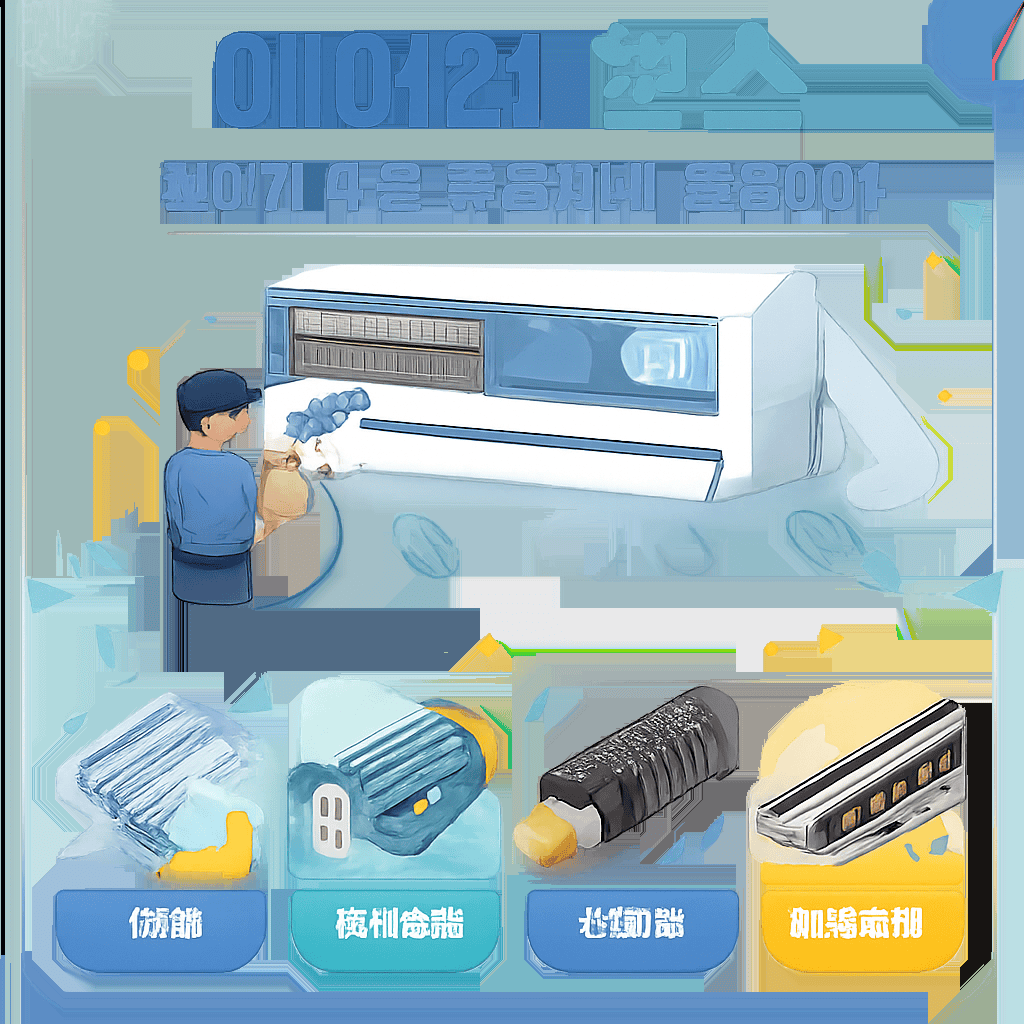
에어컨 청소, 왜 꼼꼼함이 중요할까요?
The humming of an air conditioner is a familiar sound in many homes and offices, promising cool comfort during warmer months. However, behind this convenience often lies a hidden world of dust, mold, and allergens. Our recent field inspections have revealed that neglecting thorough air conditioner cleaning, particularly its less obvious components, poses significant health risks that extend far beyond mere aesthetics. These units are not just cooling devices; they are intricate systems designed to circulate air, and when they become compromised, they can become breeding grounds for contaminants. This is why a comprehensive approach to air conditioner hygiene is not 에어컨청소업체 a luxury, but a necessity for maintaining a healthy indoor environment.
Many people focus their cleaning efforts on the visible parts, like the external casing or the easily accessible filters. While these are important, the real problem often lurks deeper within the unit. The evaporator coils, for instance, are prime spots for moisture accumulation, creating an ideal environment for mold and mildew growth. Behind these coils, in the drip pan and drainage lines, sludge and organic matter can build up, leading to unpleasant odors and the potential spread of airborne pathogens. Furthermore, the internal fan blades and blower wheels, constantly rotating, accumulate a thick layer of dust and grime, which is then propelled into the air we breathe. Ignoring these hidden areas means that even after a superficial clean, the air conditioner continues to recirculate pollutants, impacting respiratory health and potentially exacerbating allergies and asthma. Our experience underscores that a truly effective cleaning protocol must involve disassembling key components to meticulously clean and sanitize every surface, ensuring that the air expelled is as clean as possible. This detailed examination and cleaning process is crucial for preventing the proliferation of invisible threats and safeguarding the well-being of occupants.
Moving forward, understanding the extent of internal contamination highlights the critical need for regular, professional maintenance.
에어컨 청소, 어디까지 파고들어야 할까요? (숨겨진 오염원 찾기)
The seemingly simple task of air conditioner cleaning often overlooks critical areas where unseen grime accumulates, leading to reduced efficiency and potential health hazards. My experience in the field reveals that while many homeowners focus on the visible dust on the outer casing or the immediate surface of the filters, the real battleground for contaminants lies much deeper within the unit.
Lets delve into the components often neglected during routine cleaning. The air filters, while designed to catch airborne particles, become saturated over time. What many dont realize is that beyond the surface layer of dust, a more insidious form of contamination takes hold. Microscopic mold spores and bacteria, thriving in the humid environment created by condensation, begin to colonize the fibers of the filter. These arent always visible to the naked eye, but their presence significantly degrades air quality. Ive encountered filters where a light dusting of gray was merely the tip of the iceberg; u https://ko.wikipedia.org/wiki/에어컨청소업체 nderneath, a dark, velvety layer of mold growth was actively releasing spores into the room.
Moving further into the unit, the blower fan, a component responsible for circulating air, is another prime suspect for hidden contamination. Its blades, often difficult to access, become coated with a sticky film of dust, grease, and moisture. This sticky residue acts as a perfect breeding ground for bacteria and mold. Over time, this buildup not only harbors pathogens but also creates an imbalance in the fans rotation, leading to increased noise and reduced airflow. In severe cases, I’ve seen fan blades so caked with grime that their original shape was almost unrecognizable, significantly impacting the units performance.
Perhaps the most critical and often overlooked area is the evaporator coil, also known as the cooling fins. This is where the magic of cooling happens, but its also where condensation forms and lingers, creating a perpetually damp environment. While a quick spray of cleaner might hit the surface, the intricate, tightly packed fins create a labyrinth where dirt, mold, and bacteria can hide and flourish. Ive witnessed coils so clogged with a mixture of dust, mold, and even insect debris that the airflow was severely restricted, forcing the unit to work much harder to achieve the desired temperature. This not only wastes energy but also puts undue stress on the compressor, shortening the lifespan of the appliance. The visual shock of seeing these coils, once gleaming metal, transformed into a dark, fuzzy mass of biological growth is a stark reminder of how crucial deep cleaning truly is.
Understanding these hidden sources of contamination is the first step towards a truly effective air conditioner cleaning regimen. It shifts the focus from a superficial wipe-down to a comprehensive approach that addresses the root causes of poor air quality and inefficient operation. The next logical step is to explore the professional methods employed to tackle these deeply embedded contaminants.
셀프 청소 vs 전문가 청소, 현명한 선택은?
An unexpected error occurred. Please check the logs.
에어컨 청소 후, 더욱 오래 깨끗하게 유지하는 꿀팁
The meticulous cleaning of your air conditioner is only the first step toward ensuring optimal performance and air quality. To truly extend the benefits of a deep clean and maintain that pristine condition, adopting specific usage habits and implementing regular, simple maintenance is crucial. This proactive approach not only prolongs the life of your unit but also significantly reduces the likelihood of premature recontamination.
One of the most overlooked yet effective practices is the use of the fan-only or air-dry mode after cooling. Running the fan for 10-15 minutes after shutting off the cooling function helps to evaporate residual moisture within the evaporator coils and the interior casing. This moisture is a breeding ground for mold and mildew, so its removal is paramount. Many users skip this step, thinking its an unnecessary drain on electricity, but the minimal energy consumption is a small price to pay for preventing the growth of unsightly and potentially unhealthy microbial colonies.
Furthermore, consider the ambient conditions when operating your air conditioner. Running the unit in excessively humid environments without adequate ventilation can exacerbate moisture buildup. If possible, use a dehumidifier in conjunction with your air conditioner during particularly muggy periods. This dual approach helps manage indoor humidity levels more effectively, indirectly contributing to a cleaner AC unit.
Simple, regular cleaning of the air filters is another cornerstone of long-term cleanliness. While a professional deep clean addresses the internal components, the filters are the first line of defense against dust and airborne particles. Cleaning them monthly, or even bi-weekly during peak usage seasons, prevents a large volume of debris from entering the unit and accumulating on the coils. Use a vacuum cleaner or a gentle rinse with water, ensuring they are completely dry before reinserting. This simple act significantly reduces the workload on the internal components and maintains better airflow.
Beyond these user-managed tasks, understanding when to call in the professionals is key. While regular filter cleaning and air-drying are essential, internal components like the blower fan, drainage system, and deep coils can harbor contaminants that are difficult to reach. A professional inspection and cleaning service every 12 to 18 months, depending on usage and environmental factors, is highly recommended. Experts have specialized tools and knowledge to address issues like refrigerant leaks, fan motor wear, and deep-seated mold growth that can compromise both performance and air quality.
By integrating these practices – consistent use of the fan-only mode, mindful operation in humid conditions, diligent filter maintenance, and timely professional servicing – you can ensure that your freshly cleaned air conditioner remains a source of clean, cool air for much longer. This comprehensive approach to AC care not only optimizes your investment but also contributes to a healthier indoor environment, demonstrating a commitment to both efficiency and well-being.
답글 남기기