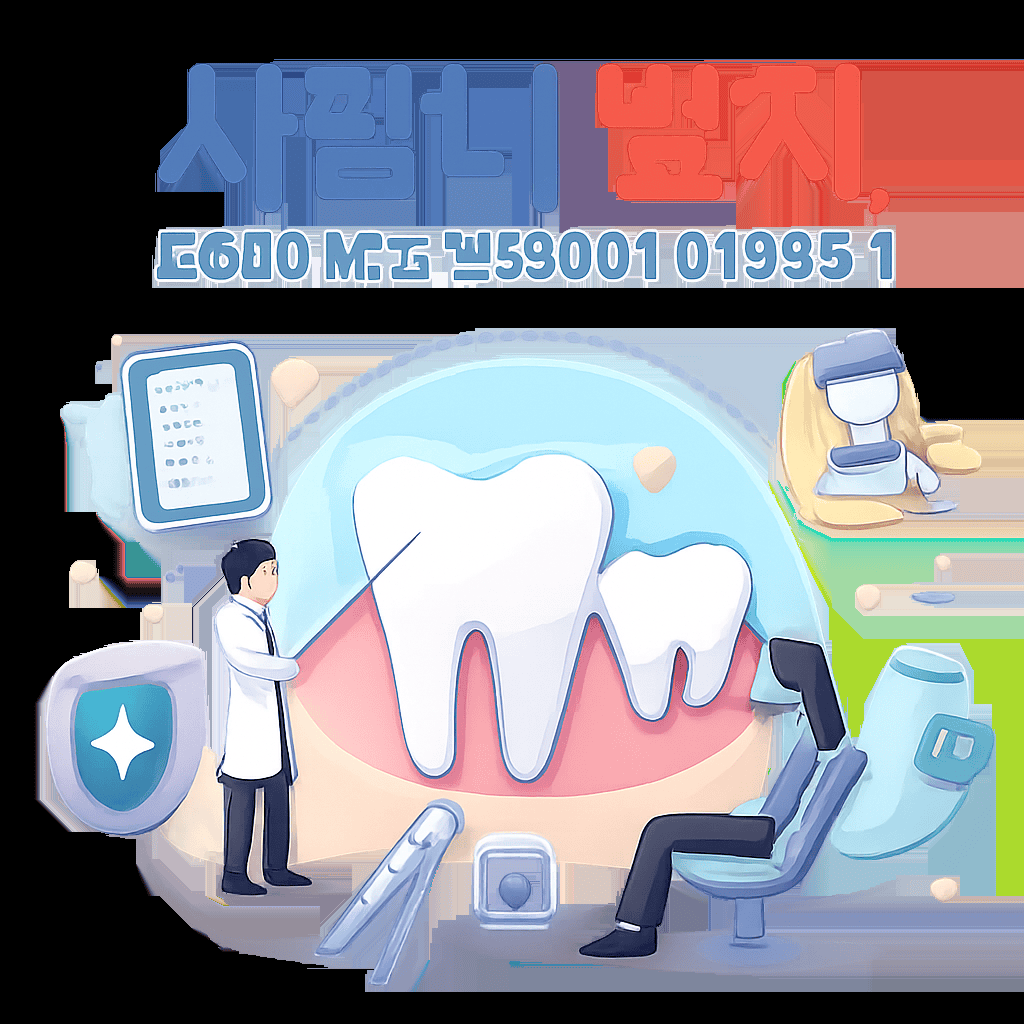
사랑니, 왜 뽑아야 할까? 발치 결정의 중요한 기준
Wisdom teeth extraction, dont be afraid, deal with it wisely.
The decision to extract wisdom teeth is often accompanied by a mix of apprehension and uncertainty. Many patients visiting our clinic in Changwon express a common sentiment: Do I really need to have this removed? This question underscores a critical point – understanding why wisdom teeth may necessitate extraction is the first step towards making an informed and confident decision. The necessity of wisdom tooth removal is not a one-size-fits-all scenario. It hinges on a careful evaluation of several key factors, including the tooths position within the jaw, its eruption status, its orientation relative to adjacent teeth, and crucially, whether its causing any pain or showing signs of potential problems like decay or infection. For instance, impacted wisdom teeth, those that are unable to erupt fully due to lack of space or being blocked by other teeth, frequently pose significant risks. They can lead to pericoronitis, a painful inflammation of the gum tissue surrounding the tooth, or cause damage to the adjacent molars, potentially leading to cavities or periodontal issues. Furthermore, the sheer difficulty in cleaning these awkwardly positioned teeth makes them prime candidates for bacterial accumulation and subsequent dental problems. Therefore, a thorough dental examination, often including X-rays, is paramount in assessing these individual circumstances and determining the most appropriate course of action. This comprehensive assessment allows us to move beyond generalized fears and focus on the specific conditions that dictate whether extraction is indeed the wisest path forward.
Beyond simply identifying the need for extraction, understanding the various scenarios that necessitate this procedure is crucial for patients.
사랑니 발치, 통증과 붓기는 얼마나? 현실적인 통증 관리법
The initial discomfort following wisdom tooth extraction, while often a significant concern, is a manageable phase with proper understanding and proactive care. Based on numerous patient accounts and clinical observations, the degree of pain and swelling can vary considerably depending on the complexity of the extraction. Simple extractions, where the tooth is fully erupted and easily accessible, typically result in mild to moderate discomfort that can be effectively managed with over-the-counter pain relievers. However, impacted wisdom teeth, which are teeth that have not fully erupted or are growing at an angle, often require surgical intervention. These procedures can lead to more pronounced post-operative pain and swelling, sometimes lasting for several days.
To navigate this period effectively, a multi-faceted approach to pain and swelling management is crucial. Immediately after the procedure, applying a cold compress to the affected cheek can significantly reduce swelling and numb the area, offering initial relief. This should be done intermittently, for about 15-20 minutes at a time, for the first 24 to 48 hours. Pain management typically starts with prescribed or recommended analgesics. Non-steroidal anti-inflammatory drugs (NSAIDs) like ibuprofen are often favored as they address both pain and inflammation. For more severe pain, stronger prescription medications may be necessary, but its vital to use these as directed by your dentist to avoid potential side effects.
Beyond medication and cold therapy, maintaining good oral hygiene, albeit gently, is paramount to prevent infection, which can exacerbate pain and swelling. Rinsing the mouth with a warm salt water solution after meals, starting about 24 hours post-surgery, can help keep the surgical site clean and promote healing. Its important to avoid vigorous rinsing or spitting, as this can dislodge the blood clot that forms in the socket, leading to a painful condition called dry socket. Similarly, avoiding hot liquids and sticking to soft, cool foods in the initial days is advisable. This minimizes irritation to the surgical site and prevents accidental injury.
From a clinical perspective, dentists often provide specific post-operative instructions tailored to the individual patients situation. These may include recommendations for specific pain medications, antibiotics if theres a risk of infection, and detailed guidance on diet and oral hygiene. Understanding these instructions thoroughly and adhering to them is the cornerstone of a smooth recovery. For those undergoing procedures at a Changwon dental clinic, for instance, the dental team will likely offer detailed advice on managing discomfort, including when to expect peak pain levels and when to seek further professional help. They might also provide information on specific types of pain relievers that have proven effective in their practice for wisdom tooth extraction recovery.
The psychological aspect of pain should not be underestimated either. Fear and anxiety can heighten the perception of pain. Therefore, open communication with your dentist about your concerns is essential. Understanding the process, knowing what to expect, and feeling reassured by your dental professional can significantly ease the perceived discomfort. Many find that focusing on the successful outcome – the relief from future pain and potential denta https://www.thefreedictionary.com/창원치과 l problems caused by the wisdom teeth – helps in enduring the temporary discomfort of the extraction. This positive reframing can be a powerful tool in managing the overall experience.
Having addressed the immediate concerns of pain and swelling, the next critical aspect of wisdom tooth extraction recovery involves the healing process itself and recognizing potential complications.
성공적인 사랑니 발치를 위한 창원치과 선택 가이드
When it comes to wisdom tooth extraction, the decision of where to have the procedure done can be as significant as the extraction itself. Patients in Changwon often find themselves navigating a sea of dental clinics, each promising the best care. However, a truly successful wisdom tooth extraction hinges not just on the procedure, but on a thoughtful selection of the dental provider. This isnt a decision to be made lightly, and our focus today is to equip you with the knowledge to make a wise choice.
The cornerstone of a good dental clinic for wisdom tooth extraction is undeniably the expertise of its dental professionals. This goes beyond simply having a dental degree. Were talking about a team that possesses specialized training and extensive experience in complex oral surgeries, particularly impacted wisdom teeth. Have they performed a high volume of these procedures? Do they employ advanced diagnostic tools like 3D CT scans to precisely map the tooths position relative to vital nerves and structures? These are critical questions. A clinic that invests in cutting-edge imaging technology demonstrates a commitment to minimizing risks and ensuring procedural accuracy.
Beyond individual expertise, the overall infrastructure and patient care system of a clinic play a crucial role. Consider the clinics facilities: are they modern, clean, and equipped with the latest surgical instruments and safety protocols? A well-equipped clinic often correlates with a higher standard of care. Furthermore, the post-operative care plan is paramount. What is the clinics protocol for managing pain and swelling? Do they provide clear instructions for recovery, and is there a readily accessible support system for patients who experience complications or have concerns after the procedure? A comprehensive aftercare plan, including follow-up appointments and emergency contact information, offers significant peace of mind.
Looking at the landscape of dental clinics in Changwon, we observe a spectrum of offerings. Some clinics specialize heavily in surgical procedures, boasting dedicated oral surgeons. Others offer a broader range of dental services, but still maintain a strong focus on surgical extractions. The key is to research, inquire, and understand the specific strengths of each practice in relation to wisdom tooth extraction. Patient testimonials and reviews can offer valuable insights, but should always be considered alongside the clinics stated qualifications and procedures.
Ultimately, selecting a dental clinic for wisdom tooth extraction in Changwon is an exercise in due diligence. By prioritizing professional expertise, advanced technology, robust facilities, and a comprehensive post-operative care system, 창원치과 patients can move forward with confidence, transforming what might be a daunting experience into a manageable and successful one. This careful selection process lays the foundation for a smooth recovery and optimal oral health.
사랑니 발치 후 회복 과정과 주의사항, 완벽하게 대비하기
The journey through wisdom tooth extraction, while often met with trepidation, can be navigated with confidence and preparedness. My recent experience, particularly at a reputable dental clinic in Changwon, underscored the importance of meticulous post-operative care in ensuring a smooth and rapid recovery. This final segment focuses on consolidating that knowledge, providing a comprehensive guide to managing the recovery process and averting potential complications.
Following the procedure, the initial 24 to 48 hours are critical. The primary objective is to manage swelling and discomfort while allowing the surgical site to begin healing. I observed firsthand how adhering to the dentists instructions regarding ice packs, applied externally to the affected cheek for 15-20 minutes at a time, significantly reduced inflammation. Pain management, typically involving prescribed or over-the-counter analgesics, should be taken as directed to maintain a comfortable baseline, preventing pain from escalating to a point where it interferes with rest and recovery.
Dietary modifications are paramount during this phase. Soft, cool foods are essential to avoid irritating the surgical site. Think along the lines of yogurt, smoothies (without seeds or straws, as the suction can dislodge the blood clot), mashed potatoes, and well-cooked, pureed soups. Avoiding hot foods and beverages is crucial, as heat can increase bleeding and swelling. The gradual reintroduction of more solid foods should be guided by comfort levels, with a continued emphasis on avoiding anything that requires vigorous chewing or could pose a risk of injury.
Oral hygiene requires a delicate balance. While maintaining cleanliness is vital to prevent infection, aggressive brushing near the surgical site must be avoided. Gentle rinsing with a saltwater solution, starting about 24 hours after the extraction, can help keep the area clean and promote healing. I found that using a very soft toothbrush to gently clean the teeth away from the extraction site, combined with the saltwater rinses, was effective. It’s imperative to follow the dentist’s specific recommendations on when and how to resume regular brushing and flossing.
Activity levels also need to be managed. Rest is fundamental for the body to channel its energy into healing. Strenuous physical activity, including bending over or lifting heavy objects, should be avoided for at least a few days, as these actions can increase blood pressure and potentially lead to bleeding or swelling. Light walking is generally permissible, but listening to your body and not overexerting yourself is key.
While complications are relatively uncommon, awareness of potential issues is part of wise preparedness. Dry socket, characterized by severe, throbbing pain that typically begins a few days after the extraction, is one such concern. It occurs when the blood clot dislodges prematurely, exposing the underlying bone. If this occurs, immediate contact with the dental clinic is necessary for treatment, which usually involves cleaning the socket and placing a medicated dressing. Other signs to monitor include increased or persistent bleeding, significant fever, or worsening swelling and pain. Promptly reporting these symptoms to your dentist can prevent more serious issues.
In conclusion, wisdom tooth extraction is a routine procedure, and with diligent adherence to post-operative guidelines, the recovery process can be managed effectively. The experience in Changwon reinforced that a combination of proper pain management, a modified diet, careful oral hygiene, restricted activity, and vigilant monitoring for any warning signs forms the bedrock of a successful recovery. By understanding and embracing these steps, patients can approach wisdom tooth extraction not with fear, but with a clear plan for a swift and comfortable return to normalcy.
답글 남기기