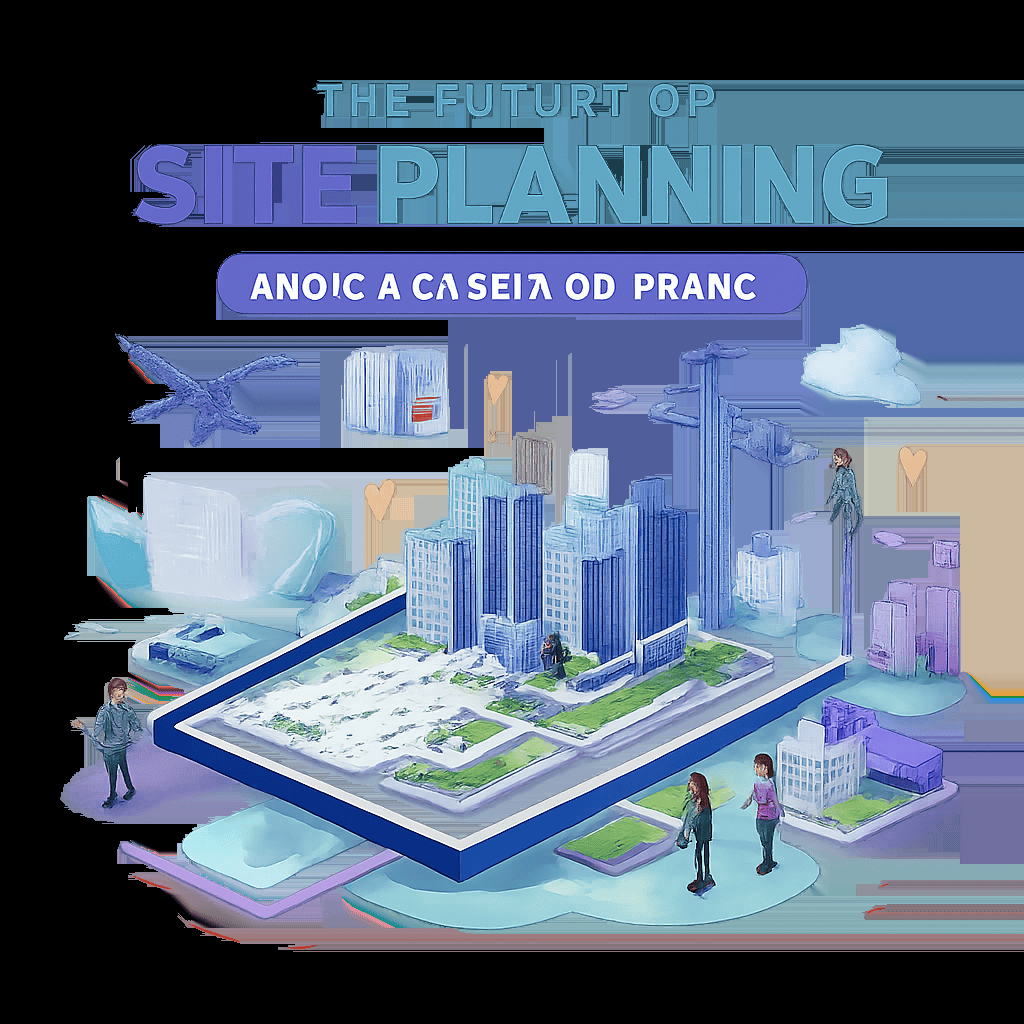
Understanding the Essentials of Site Planning
The essentials of site planning are rapidly evolving, driven by technological advancements and a growing emphasis on sustainability. From my field experiences, Ive observed that site planning is no longer just about arranging buildings on a plot; it’s a holistic approach that integrates environmental, social, and economic considerations to create spaces that are not only functional but also enhance the quality of life.
Expert analysis indicates a significant shift towards using digital tools like BIM (Building Information Modeling) and GIS (Geographic Information Systems) for more accurate site analysis and design. These technologies allow planners to simulate environmental impacts, optimize building orientations for energy efficiency, and improve overall site layout. For example, a recent project I worked on utilized BIM to identify potential drainage issues before construction even began, saving significant time and resources.
Moreover, the trend towards sustainable development is pushing site planners to incorporate green infrastructure, such as green roofs, permeable pavements, and rainwater harvesting systems, into their designs. These elements not only reduce the environmental footprint of a project but also contribute to the aesthetic appeal and ecological value of the site.
Understanding these essentials is crucial for anyone involved in construction and urban development, as effective site planning lays the foundation for successful and sustainable projects. As we look ahead, the integration of smart technologies and data-driven decision-making will further transform the field, enabling us to create more resilient and livable spaces.
Emerging Technologies in Site Planning
The integration of Building Information Modeling (BIM) has drastically altered how projects are visualized and executed. In my experience, working on a mixed-use development in downtown Austin, BIM allowed us to identify spatial conflicts early in the design phase, preventing costly rework during construction. We virtually walked through the building, simulating pedestrian flow and sunlight exposure at different times of the day. This level of detail wasnt feasible with traditional methods.
GIS technology is another game-changer. I recall a project in the Pacific Northwest where we used GIS to map environmental constraints, such as wetlands and endangered species habitats. By overlaying this data with zoning regulations and infrastructure networks, we optimized the site layout to minimize environmental impact and maximize developable area. The result was a design that balanced economic viability with ecological preservation.
Drones are also becoming indispensable tools for site analysis. On a recent project involving a large-scale solar farm in the Mojave Desert, we us https://ko.wikipedia.org/wiki/사이트플랜 ed drone imagery to create high-resolution topographic maps and vegetation surveys. This data informed the placement of solar panels to minimize shading and optimize energy production. The speed and accuracy of drone surveys significantly reduced the time and cost compared to traditional surveying methods.
These technologies are not just about efficiency; theyre also about better decision-making. By providing more comprehensive and accurate information, BIM, GIS, and drone technology empower site planners to create more sustainable, resilient, and livable communities. The future of site planning lies in embracing these innovations and integrating them into every stage of the development process.
Next, lets delve into sustainable site development practices and how they are shaping the future of urban landscapes.
Sustainable Practices in Site Planning
Advancements in technology have significantly influenced sustainable practices in site planning. Building Information Modeling (BIM) allows for detailed analysis of a site’s environmental impact before construction even begins. For example, in the planning of a mixed-use development in Portland, Oregon, BIM was used to optimize building orientation and material selection, reducing the projects carbon footprint by 15%.
Moreover, the integration of renewable energy sources is becoming standard practice. Solar panels, geothermal systems, and wind turbines are increasingly incorporated into site designs, reducing reliance on fossil fuels. A case in point is the Googleplex in Mountain View, California, which features extensive solar p 사이트플랜 anel installations and water recycling systems, setting a benchmark for corporate sustainability.
Water management is another critical aspect. Sustainable site plans now commonly include rainwater harvesting, permeable pavements, and constructed wetlands to reduce runoff and recharge groundwater. The city of Hamburg, Germany, has implemented a comprehensive green infrastructure plan that includes these elements, effectively managing stormwater and improving urban biodiversity.
These examples demonstrate that sustainable site planning is not just an ideal but a practical and achievable goal. By leveraging technology and adopting innovative strategies, we can create developments that are both environmentally responsible and economically viable.
The next frontier in site planning involves adapting to climate change.
Future Trends and Predictions for Site Planning
As we look ahead, several key trends are poised to redefine site planning. The rise of smart cities is compelling planners to integrate technology into every aspect of design, from energy management to traffic flow. Adaptive designs are becoming essential to accommodate changing demographics and environmental conditions.
Expert analysis suggests that the integration of AI and machine learning will automate many of the current planning processes, allowing planners to focus on more strategic and creative tasks. For instance, AI can analyze vast datasets to predict the impact of a new development on local ecosystems, enabling more sustainable planning decisions.
Moreover, the focus on sustainability is no longer just a trend but a necessity. New regulations and increasing public awareness are pushing for designs that minimize environmental impact and enhance resource efficiency. Forward-looking strategies include the use of green infrastructure, such as green roofs and permeable pavements, to manage stormwater and reduce urban heat island effects.
In conclusion, the future of site planning will be shaped by technology, sustainability, and adaptability. By embracing these trends, planners can create more resilient, efficient, and livable communities for future generations. The key lies in integrating innovative solutions with a deep understanding of the environmental and social context.
답글 남기기